
Car Warning Lights Explained: Dashboard Symbols & Meanings
Car warning lights are one of the most important safety features in any vehicle. Each symbol on your dashboard is designed to give you quick, essential information about the health of your car’s systems. When all is well, these lights briefly illuminate at start-up and then turn off. But if a light stays on or begins to flash, it may indicate a problem that requires action.
Understanding car warning lights meaning, including dashboard warning lights, car dashboard symbols and meanings, and symbols on a vehicle dashboard, helps you react quickly, avoid costly repairs, and stay safe on the road.
Dashboard Warning Light Colours
Dashboard lights use colour coding to show severity. Here is what the colours mean:
- Red Warning Lights – Stop as soon as it is safe to do so.
Red typically signals a serious issue requiring immediate attention. - Amber or Orange Warning Lights – Take action soon.
An orange light on your dashboard usually indicates a system fault or required maintenance. - Green or Blue Warning Lights – Information only.
These show that a feature is active or functioning. Although not urgent, it’s still wise to check your manual if you’re unsure.
Every time you start your car, these lights momentarily appear so the system can check itself. If everything is functioning correctly, all lights should turn off. If one stays on, there’s something the vehicle needs to tell you.
Common Car Warning Lights and Their Meanings
Below is a quick guide to the most frequent car dashboard signs, what they mean, and what you should do next.
Engine Warning Light (Malfunction Indicator Lamp)
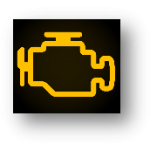
This is one of the most recognised engine warning lights and signals an issue with the engine or emissions system.
- Colour: Usually amber/yellow
- If flashing: Indicates a more serious fault
- Action: Visit a garage promptly to diagnose the cause.
Oil Pressure Warning Light
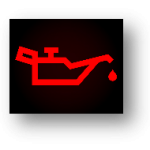
This means low oil or an issue with the engine’s oil pressure system.
- Risk: Driving may cause severe engine damage
- Action: Pull over safely, turn off the engine and contact a mechanic.
Brake System Warning Light
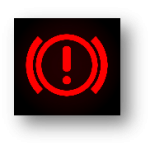
This may appear if:
- The parking brake is still engaged
- Brake fluid is low
- There’s a fault in the braking system
Action: Check the handbrake and fluid level. If it stays on, do not continue driving
Battery Charge Warning Light
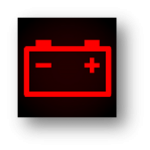
Indicates a faulty battery or alternator problem.
- If it appears while driving: Your battery is no longer being charged
- Action: Seek assistance soon to avoid breakdown.
Temperature Warning Light
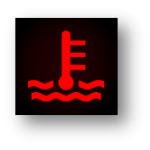
Shows the engine is overheating, often due to low coolant.
- Action: Pull over safely and contact your garage for advice.
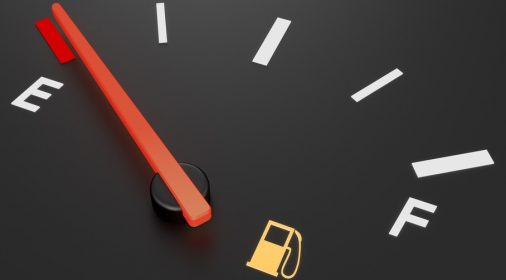
Low Fuel Warning Light
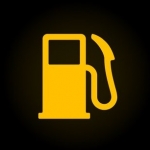
Appears when the fuel level is very low, usually around 30 miles remaining.
- Action: Refuel as soon as possible.
Airbag or Seatbelt Warning Light

Indicates a fault with the airbag or seatbelt restraint system.
- Risk: Airbags may not deploy in an accident
- Action: Visit an authorised repairer immediately.
Power Steering Warning Light
A system fault will disable power steering.
- Effect: Steering becomes significantly heavier
- Action: Pull over when safe and arrange repair.
Anti-lock Braking System Warning Light
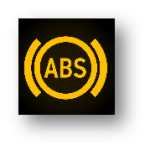
Indicates a fault with the ABS system.
- Action: Have a professional diagnose and repair.
Tyre Pressure Sensor Warning
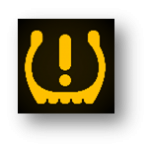
Signals incorrect tyre pressures.
- Action: Inflate/deflate to the recommended level.
If it returns, seek a tyre specialist.
Glow Plug Warning Light (diesel only)

Appears when glow plugs are warming.
- Flashing light: Fault with the glow plugs
- Action: Wait for the light to go off before starting; flashing requires a mechanic.
Washer Fluid Indicator
Indicates low screen wash level.
- Action: Refill the reservoir.
Driving with no washer fluid is unsafe in poor visibility.
Seatbelt Warning Light
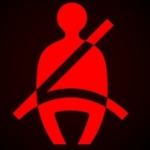
Alerts occupants to fasten their seatbelt.
If no passenger is present, an object, like a bag, may be triggering the sensor.
Bonnet, Boot or Door Warning Lights
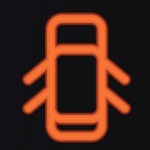
Indicate openings not properly secured.
- Action: Check all doors and latches.
If the light persists, speak to an authorised repair specialist.
What to Do When a Warning Light Comes On
Your response depends on the colour and urgency of the light:
- Red: Stop the vehicle safely and turn off the engine
- Amber/orange: Book a check or carry out recommended action
- Green/blue: Information only consult the manual if unsure
If in doubt, always err on the side of caution and have the car inspected by a professional.
Preventing Dashboard Warning Lights
While not all issues are avoidable, regular maintenance greatly reduces the chance of unexpected alerts:
- Schedule routine servicing
- Check oil, coolant and washer fluid regularly
- Maintain correct tyre pressures
- Investigate unusual sounds or performance issues early
If you spot cosmetic or bodywork damage, it doesn’t always require a full body shop visit. ChipsAway specialists offer mobile repairs, including bumper scuffs, scratches, stone chip repair and alloy wheel refurbishment.
FAQs
Which are the three most important lights on the dash?
Typically the most critical are:
- Engine temperature warning light (risk of overheating)
- Oil pressure warning light (risk of engine failure)
- Brake system warning light (safety-critical braking issue)
These require immediate action.
How to fix a check engine light?
You can try:
- Tightening or replacing the fuel cap
- Checking oil levels
- Scheduling a diagnostic scan
However, because engine warning light meaning covers many faults, the safest approach is to have a mechanic diagnose the issue.
Can I drive my car if the engine management light is on?
- Steady amber light: Usually safe to drive short distances to a garage
- Flashing light: Stop immediately. This may indicate catalytic converter damage
What warning lights fail MOT?
An MOT will fail if the following lights are on:
- Airbag warning light
- ABS warning light
- Engine management light
- Power steering warning light
- Brake system warning light
What is the most common cause of a check engine light?
A loose or faulty fuel cap is one of the most frequent causes. Other common reasons include faulty sensors, emissions issues or ignition problems.
Can I still drive with a yellow warning light?
A yellow/orange light on the dashboard means attention is needed soon, but the car is usually still safe to drive. Book a diagnostic check promptly.
Can I drive with the (!) light on?
The (!) symbol often indicates a brake system issue.
Do not drive unless you’ve confirmed it is simply the parking brake. Low brake fluid or braking faults can be dangerous.
Can I drive my car with the glow plug light on?
If the glow plug light remains illuminated or flashes, there may be a fault.
- Steady light when starting: Wait until it turns off
- Flashing while driving: Seek professional inspection
Can I drive with the brake warning light on?
If the brake warning light stays on, avoid driving. It could indicate:
- Low brake fluid
- Faulty braking system
- Handbrake engaged
Brakes are safety-critical, so consult a mechanic immediately.
If you want to fix body and paintwork damage on your car, a garage or body shop aren’t the only options. ChipsAway offer a fully mobile car body scratch repair and dent removal service that’s cheaper and more convenient than a body shop repair. Plus our trained technicians can repair bumper scuffs and fix kerbed alloy wheels too.