

Parking Sensors Not Working? How to Test, Reset & Clean Them
Parking sensors are now a familiar feature on most modern vehicles, helping drivers manoeuvre safely in tight spaces. Whether you’re reversing into a narrow driveway or parallel parking on a busy street, parking sensors are designed to warn you about obstacles you might not see in your mirrors.
However, if your parking sensors have stopped working, are constantly beeping, or your reverse parking sensor is not beeping at all, the issue may be simpler than you think. In this guide, we’ll explain how parking sensors work, how to troubleshoot common problems, and when professional help may be needed.
What Do Parking Sensors Do?
Parking sensors help drivers detect nearby obstacles when parking or reversing. They reduce the risk of low-speed collisions with walls, bollards, other vehicles, or pedestrians, helping to prevent costly paintwork damage and unnecessary repairs.
Most systems provide:
- Audible warnings (beeps that increase in frequency)
- Visual alerts on the dashboard or infotainment screen
- Support for reversing and low-speed manoeuvres
How Do Parking Sensors Work?
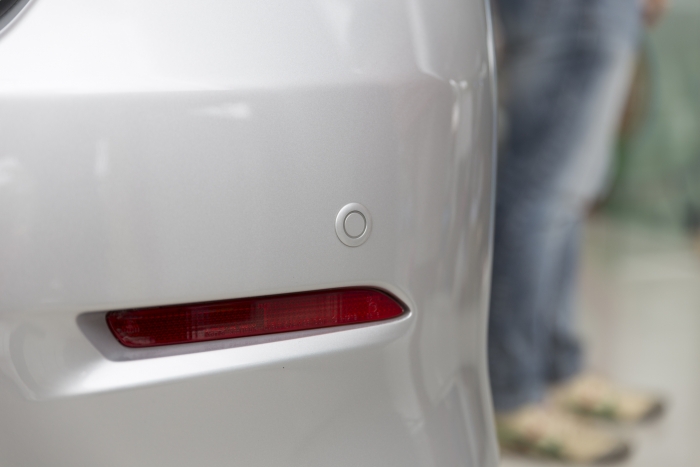
If you’ve ever wondered how do parking sensors work, they typically rely on ultrasonic or electromagnetic sensors fitted to your vehicle’s bumpers.
Ultrasonic Parking Sensors
These are the most common type. They:
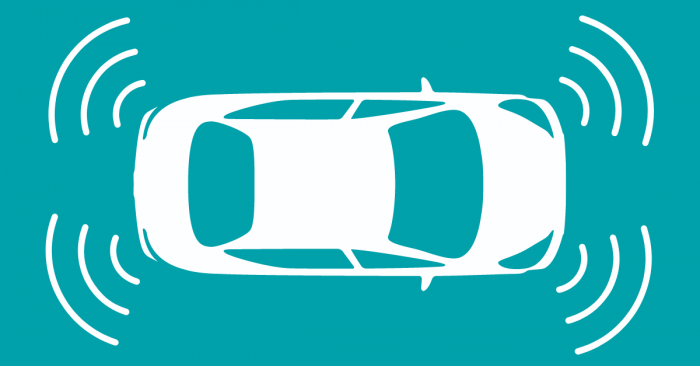
- Emit ultrasonic sound waves
- Measure how quickly those waves bounce back from nearby objects
- Calculate the distance to an obstacle
- Alert the driver with audible beeps or visual warnings
The closer you get to an object, the faster and louder the beeping becomes.
Electromagnetic Parking Sensors
These are often mounted behind the bumper:
- They create an electromagnetic field
- Any disruption to that field (such as an object nearby) triggers an alert
- They are sometimes used where drilling holes in the bumper is undesirable
Most systems activate automatically when reverse gear is selected, though some vehicles also have front sensors that engage at low speeds.
Note: Parking sensors are around 99% accurate, but very thin, low, or unusually shaped obstacles may not always be detected.
How to Troubleshoot Parking Sensors
If your parking sensors are not working, or your reversing sensors have stopped working, follow this step-by-step troubleshooting guide before booking a repair.
-
Clean Parking Sensors
One of the most common reasons for parking sensors not working is dirt.
Road grime, mud, salt, snow, or dust can:
- Cause false alerts
- Make sensors think an object is constantly nearby
- Stop sensors from detecting obstacles altogether
How to Clean Parking Sensors
You’ll need:
- A soft microfibre cloth
- Warm water
- Mild car shampoo
Steps:
- Fill a bucket with warm water and add car shampoo.
- Rinse the microfibre cloth thoroughly to remove grit.
- Gently wipe each sensor in a circular motion using your fingertip behind the cloth.
This method also works if your rear-view camera is dirty, which can cause confusion on vehicles where cameras replace audible sensors.
This is often all it takes if your reverse sensor is not working or keeps beeping.
-
Use an OBD Diagnostic Tool
If cleaning doesn’t help, an OBD (On-Board Diagnostics) tool can identify fault codes linked to the parking sensor system.
An OBD scan can:
- Detect faulty sensors
- Identify wiring or communication errors
- Help confirm whether the issue is electrical or sensor-related
Many garages, and some car owners, use OBD tools to test parking sensors quickly and accurately.
-
Use a Multimeter
For more advanced troubleshooting, a multimeter can help check:
- Power supply to the sensors
- Wiring continuity
- Electrical resistance of individual sensors
If you’re unfamiliar with vehicle electronics, this step is best left to a professional. Incorrect testing can cause further damage.
FAQs
Can I add parking sensors to an old car?
Yes. If you’re wondering, can you add parking sensors to a car, after market kits are widely available and suitable for older vehicles.
Do I install parking sensors myself?
Some DIY kits are available, but professional fitting is recommended to avoid wiring issues, incorrect calibration, or bumper damage.
Can you install parking sensors without drilling?
Yes. Electromagnetic parking sensors are mounted behind the bumper and do not require drilling.
What is the difference between electromagnetic and ultrasonic parking sensors?
- Ultrasonic: Visible sensors, very accurate, most common
- Electromagnetic: Hidden installation, no drilling, slightly less precise
How much to get parking sensors fitted on a car?
Parking sensors typically cost:
- £10s–£100s for the kit
- Plus labour costs for installation
Total fitted cost is usually a few hundred pounds.
What causes parking sensors to stop working?
Common reasons include:
- Dirt or debris on sensors
- Physical damage to the bumper
- Electrical faults or blown fuses
- Water ingress
- Sensor wear over time
- Calibration issues after repairs
Are reversing sensors part of an MOT?
Parking sensors are not a mandatory MOT requirement, but if fitted, they should not interfere with other systems or cause warning lights.
Do garages fit parking sensors?
Yes. Most garages and vehicle accessory specialists can supply and fit parking sensors.
What are the disadvantages of parking sensors?
- They may miss very low or thin objects
- Sensors can give false alerts if dirty
- Repairs can be costly if damaged
Do parking sensors work automatically?
Yes. Most activate automatically when reverse gear is selected. Some vehicles also allow manual activation or deactivation.
Where does parking sensor sound come from?
The sound usually comes from:
- The vehicle’s speakers
- A dedicated internal buzzer
- The infotainment system
Can parking sensors be turned off?
Yes. Many cars allow parking sensors to be switched off via a dashboard button or vehicle settings menu.
Here to Help With Scratched Paintwork
If faulty or dirty sensors have resulted in bumper scuffs or scratches, ChipsAway can help. Our network of mobile specialists and Car Care Centres across the UK can repair paintwork damage quickly and professionally.
Get a free no-obligation estimate using our online form here.